

Moon jellyfish
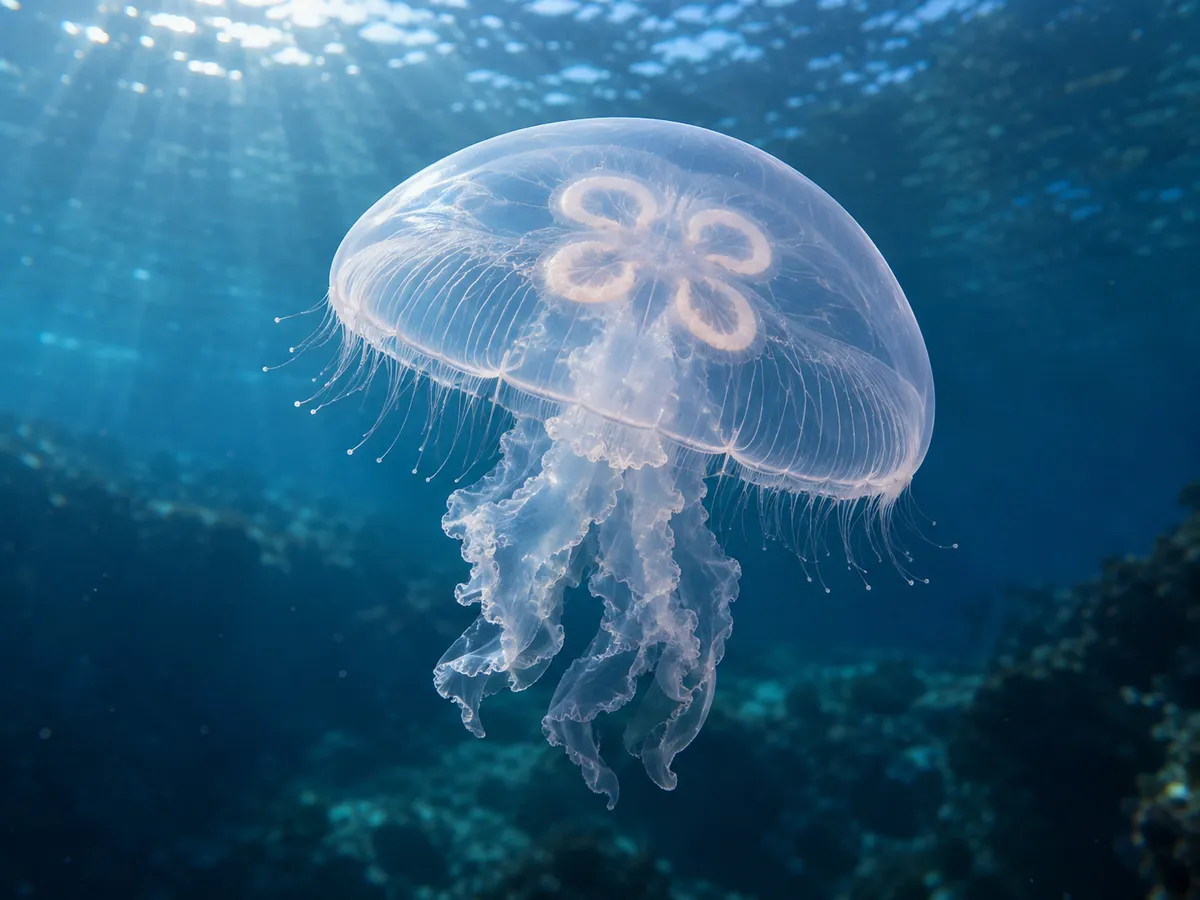
Known for its transparent, umbrella-shaped body and four ring-shaped reproductive organs, the moon jellyfish is one of the most common jellyfish in the world. In Türkiye it is often seen, especially in the Sea of Marmara.
- Diameter
- 25–40 cm
- Diet
- Filter feeder
- Class
- Invertebrate
Figures are approximate for adults and vary by sex, subspecies and population.
At a glance
The key facts about Moon jellyfish.
- Where does it live?It is common in temperate and tropical seas worldwide, especially in coastal waters, bays and harbours.
- What does it eat?It feeds on small organisms such as zooplankton, fish eggs and larvae.
- Behaviour and lifeJellyfish are not strong swimmers; they drift with currents and move slowly by contracting and relaxing their bodies.
- Life cycleAdult jellyfish produce eggs and sperm.
In depth
In short
- The moon jellyfish can be found in almost every sea.
- It has no brain, heart or bones; most of its body is water.
- It feeds on plankton and other tiny animals.
- It has a complex life cycle: egg, larva, polyp and jellyfish stages.
- Its sting is weak and usually harmless to people.
The moon jellyfish (Aurelia aurita) is recognisable by its semi-transparent, disc-shaped body. In the middle of the body are four ring-shaped reproductive organs that stand out in the light and give it a "moon-like" look.
Where does it live?
It is common in temperate and tropical seas worldwide, especially in coastal waters, bays and harbours. In Türkiye it occurs in the Marmara, Black, Aegean and Mediterranean seas; in some years it forms very dense swarms in the Sea of Marmara.
What does it eat?
It feeds on small organisms such as zooplankton, fish eggs and larvae. It catches food with short tentacles around the edge of its bell and with mucus on its body surface, then moves it to its mouth.
Behaviour and life
Jellyfish are not strong swimmers; they drift with currents and move slowly by contracting and relaxing their bodies. Their numbers can rise quickly when food is plentiful and the water is warm.
Life cycle
Adult jellyfish produce eggs and sperm. After fertilisation, larvae settle on the sea floor and turn into small polyps. Under the right conditions, polyps release tiny jellyfish. Thanks to this complex cycle, polyps can sometimes live for a long time.
Conservation status
There is no global IUCN assessment for the moon jellyfish. Overfishing, pollution and warming seas are thought to increase jellyfish blooms in some areas.
Fun facts
- More than about 95 percent of a moon jellyfish's body is water.
- Although it has no brain, a nerve net lets it respond to light and touch.
- Sea turtles eat jellyfish, which is why plastic bags in the sea are dangerous for turtles.
Good to know
The most important points.
- Don't touch jellyfishThe moon jellyfish's sting is usually mild but can cause redness and itching in sensitive people. Do not touch jellyfish washed up on the shore either.
Similar animals
Other animals in the same group.
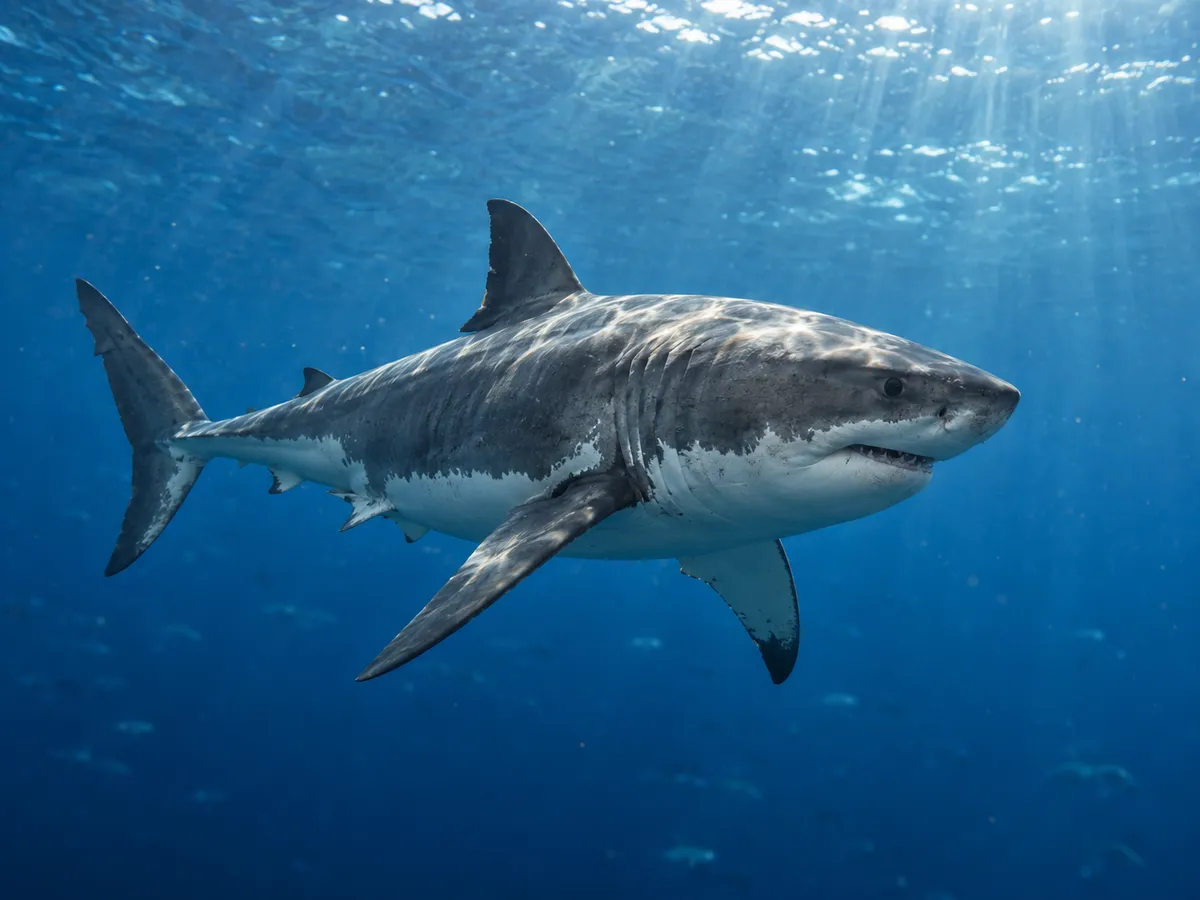 Great white sharkThe ocean's most famous predator, the great white shark is known for its powerful senses and impressive size. Despite its frightening film image, attacks on people are extremely rare.Explore
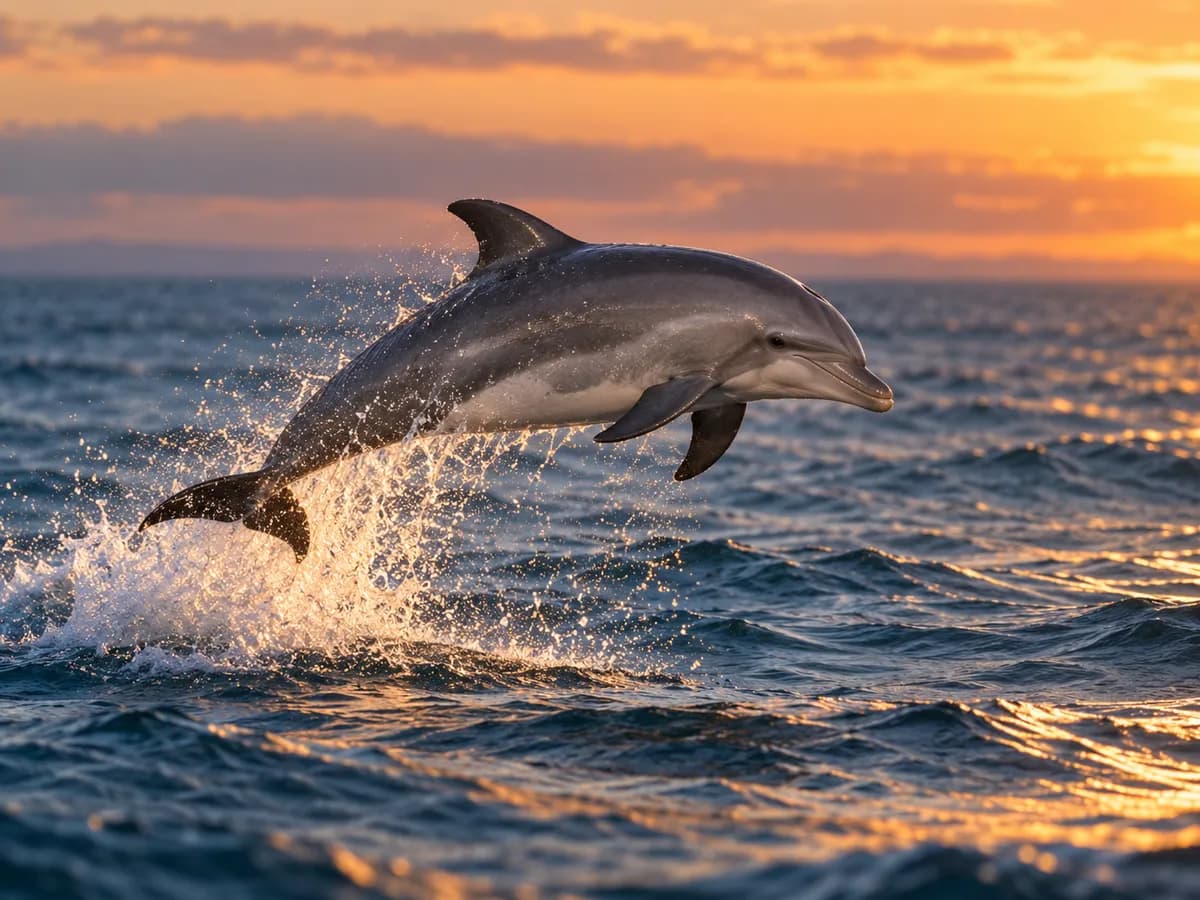 Bottlenose dolphinKnown for its intelligence, playfulness and strong social bonds, the bottlenose dolphin lives in warm and temperate seas around the world. It is one of the most familiar dolphins and can also be seen off Türkiye's coasts.Explore
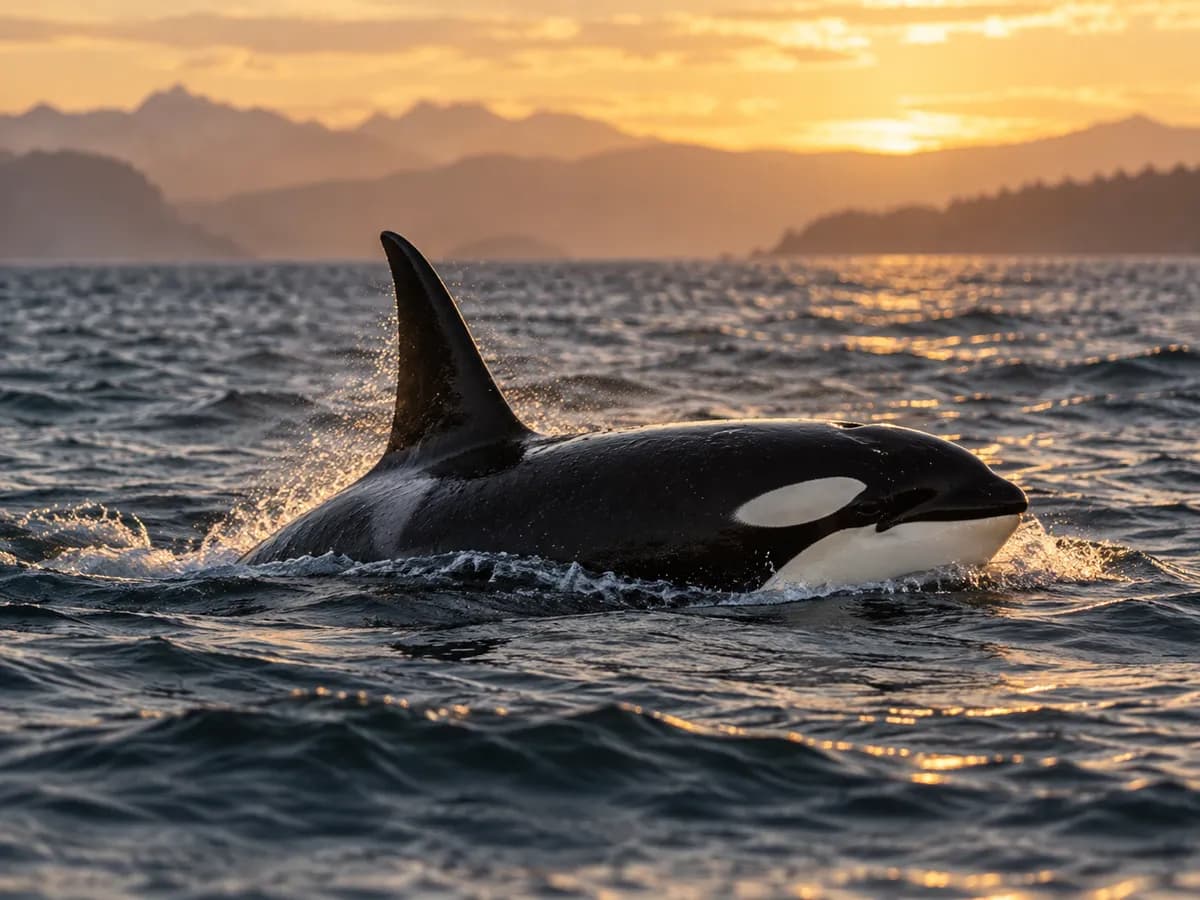 OrcaThe largest of the dolphins, the orca is one of the ocean's smartest hunters, with its black-and-white look and complex family groups. Different orca communities develop their own hunting techniques and "dialects".Explore
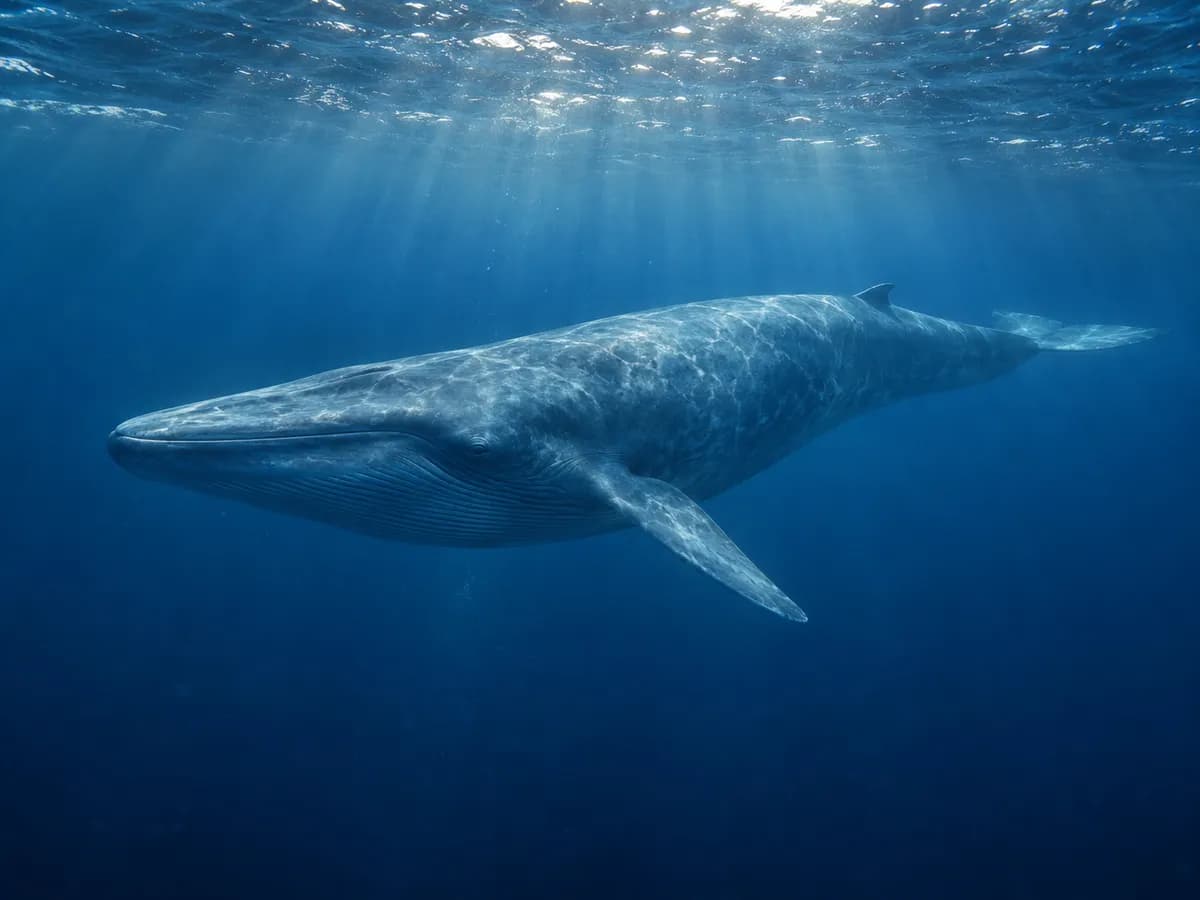 Blue whaleThe largest animal known to have ever lived, the blue whale feeds by filtering tiny krill despite its size. It is still recovering from intensive whaling.Explore
Respect for nature, stronger tomorrows
Protecting wildlife is everyone's responsibility.
If you find an injured or young wild animal, don't touch it; inform your local wildlife authority. More knowledge, more awareness.
- Respect natural habitats
- Watch wild animals from afar
- Leave no litter in nature
- Support a sustainable future