

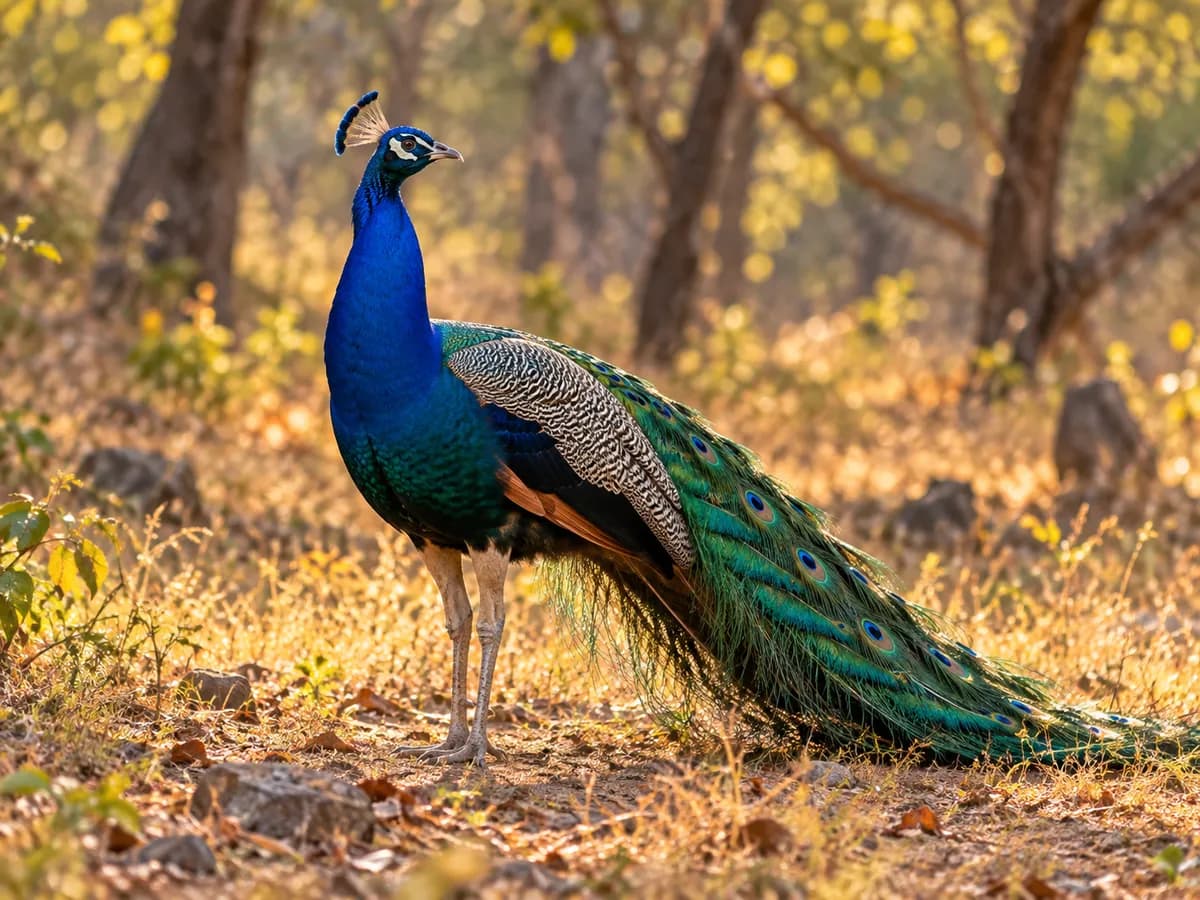
- Length
- 0.9–2.3 m
- Weight
- 2.5–6 kg
- Lifespan in the wild
- 15–20 years
- Conservation status (IUCN)
- Least concern (LC)
Figures are approximate for adults and vary by sex, subspecies and population.
At a glance
The key facts about Indian peafowl.
- Where does it live?It lives in India, Sri Lanka, Nepal, Pakistan and Bangladesh, in open forests, at the edges of farmland and near villages.
- What does it eat?It is an omnivore that eats seeds, grain, fruit, insects, worms, small reptiles and even small snakes.
- Behaviour and social lifePeafowl feed on the ground by day and roost in tall trees at night.
- ChicksThe female usually lays 3–6 eggs in a shallow nest on the ground and incubates them alone.
In depth
In short
- The Indian peafowl is native to India and Sri Lanka.
- The male's showy "tail" is actually a train of back feathers.
- Females prefer males with more impressive displays and feather patterns.
- It is an omnivore that eats seeds, insects and small animals.
- The IUCN lists it as Least Concern.
The Indian peafowl (Pavo cristatus) is a large bird known for the male's brilliant blue neck and long, eye-spotted "tail" feathers. These long feathers are not actually the tail but covert feathers that grow from the lower back; the male spreads them like a fan to display. Females (peahens) are plainer, brownish-grey birds.
Where does it live?
It lives in India, Sri Lanka, Nepal, Pakistan and Bangladesh, in open forests, at the edges of farmland and near villages. It is also kept as an ornamental bird in parks and gardens around the world.
What does it eat?
It is an omnivore that eats seeds, grain, fruit, insects, worms, small reptiles and even small snakes. It usually forages by walking on the ground.
Behaviour and social life
Peafowl feed on the ground by day and roost in tall trees at night. In the breeding season, males spread and shake their trains to display to females. Their loud, piercing calls carry far and serve as alarm signals.
Chicks
The female usually lays 3–6 eggs in a shallow nest on the ground and incubates them alone. The chicks can walk and follow their mother soon after hatching.
Conservation status
The Indian peafowl is listed as Least Concern (LC) on the IUCN Red List. It is legally protected in India, where it is the national bird. Illegal hunting and poisoning from pesticides are problems in some areas.
Fun facts
- The male's long train is shed every year and grows back.
- The brilliant colours in its feathers come not from pigment but from light being scattered by the feather structure.
- Peafowl can fly short distances and spend the night in trees.
Similar animals
Other animals in the same group.
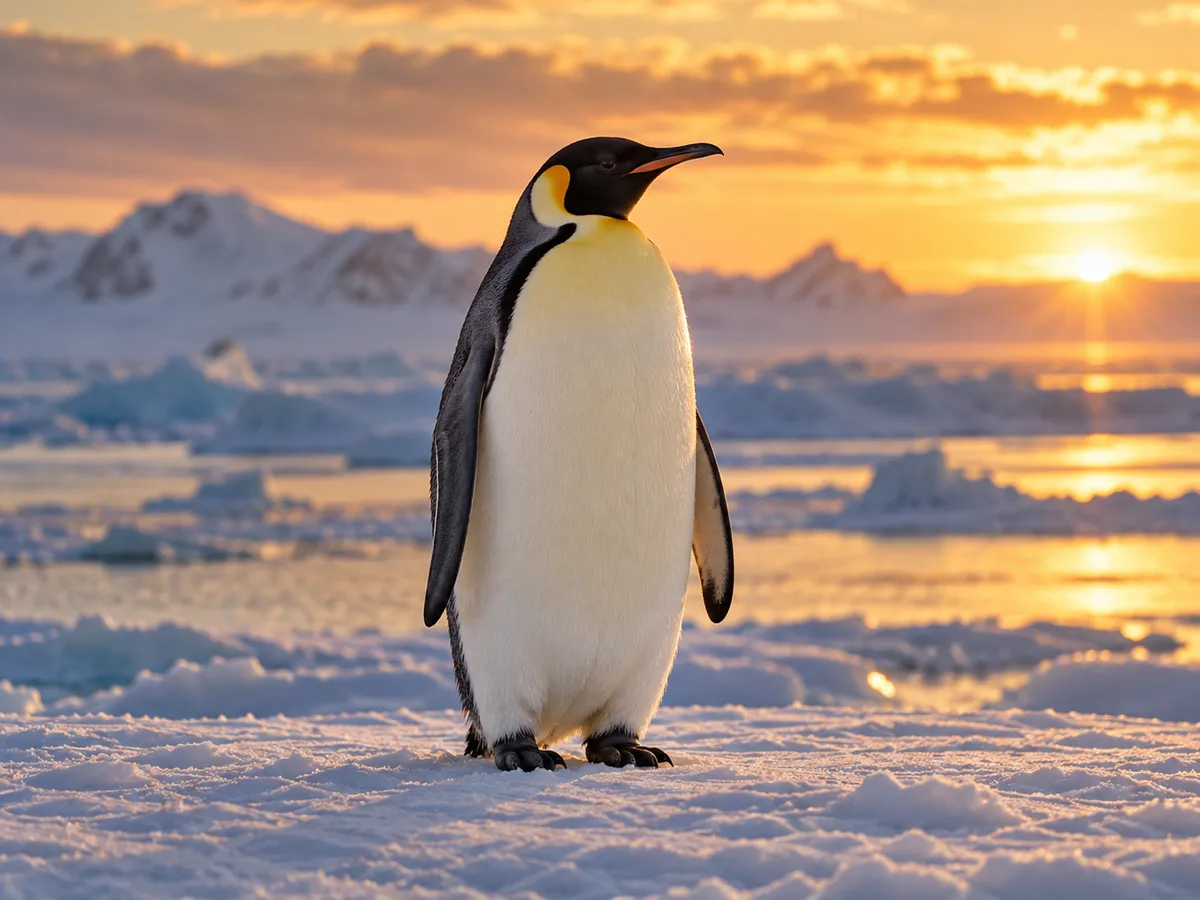 Emperor penguinThe largest of all penguins, the emperor penguin breeds in the harshest conditions of the Antarctic winter. Males protect the egg in freezing cold by carrying it on their feet for months.Explore
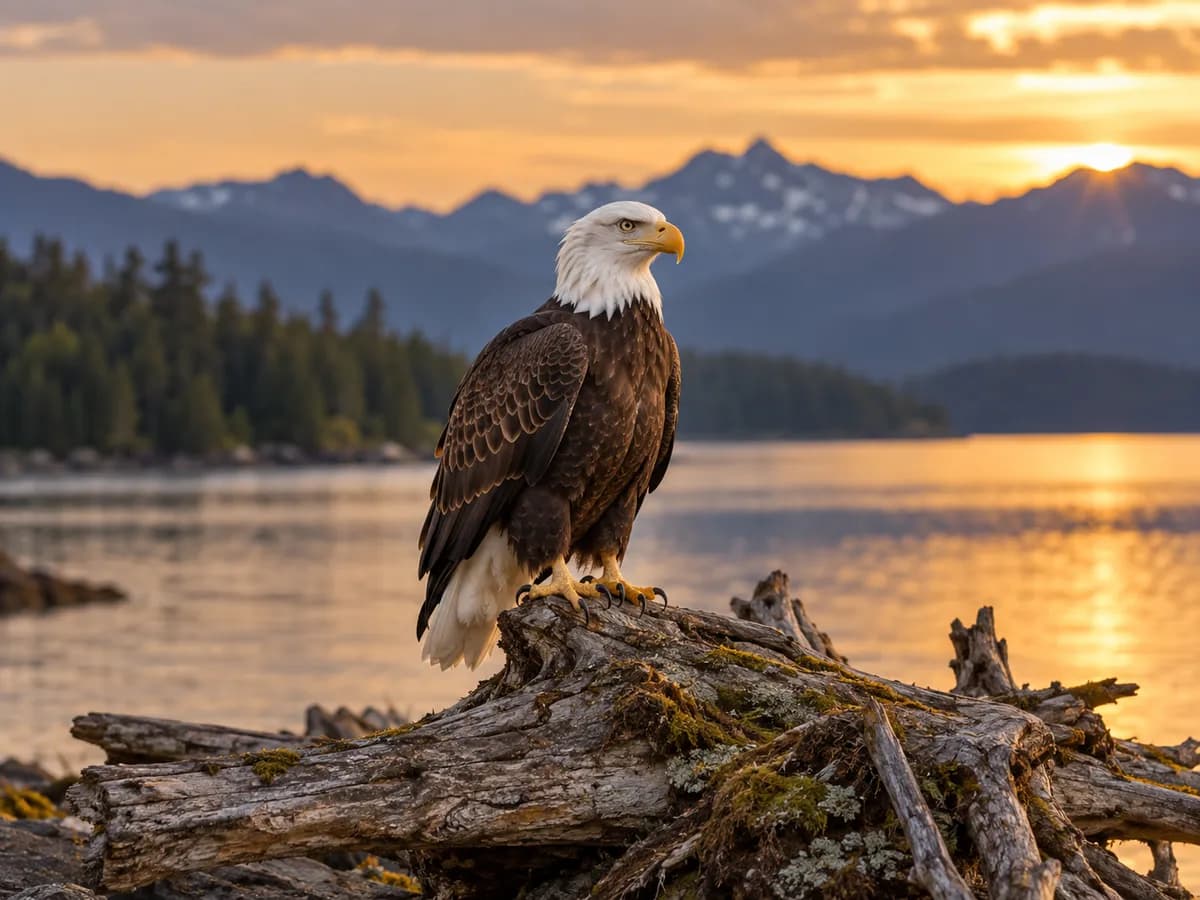 Bald eagleKnown for its white head and yellow beak, the bald eagle is the emblem bird of North America. Once close to disappearing, it is one of the best-known conservation success stories.Explore
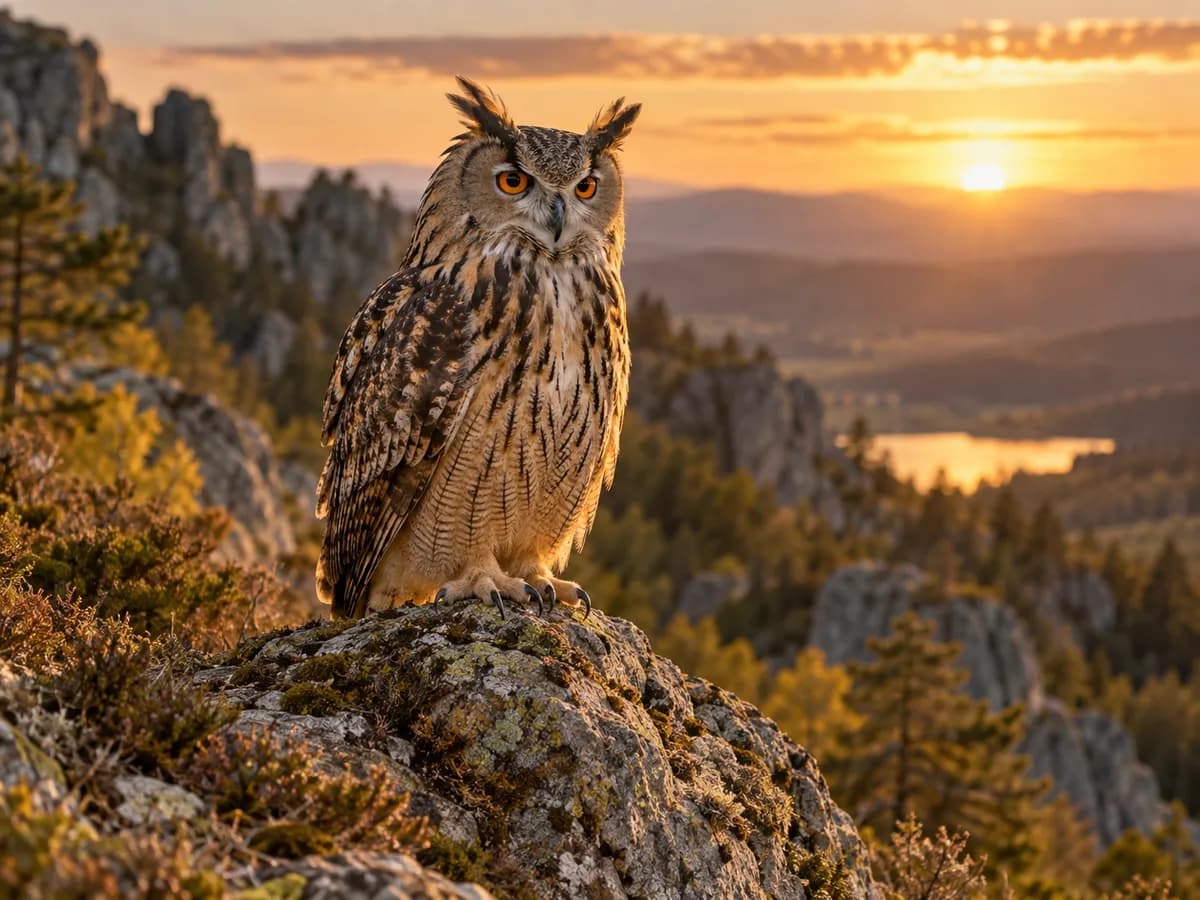 Eurasian eagle-owlOne of the world's largest owls, the Eurasian eagle-owl is known for its orange eyes and ear-like tufts. It lives in rocky and mountainous areas of Türkiye.Explore
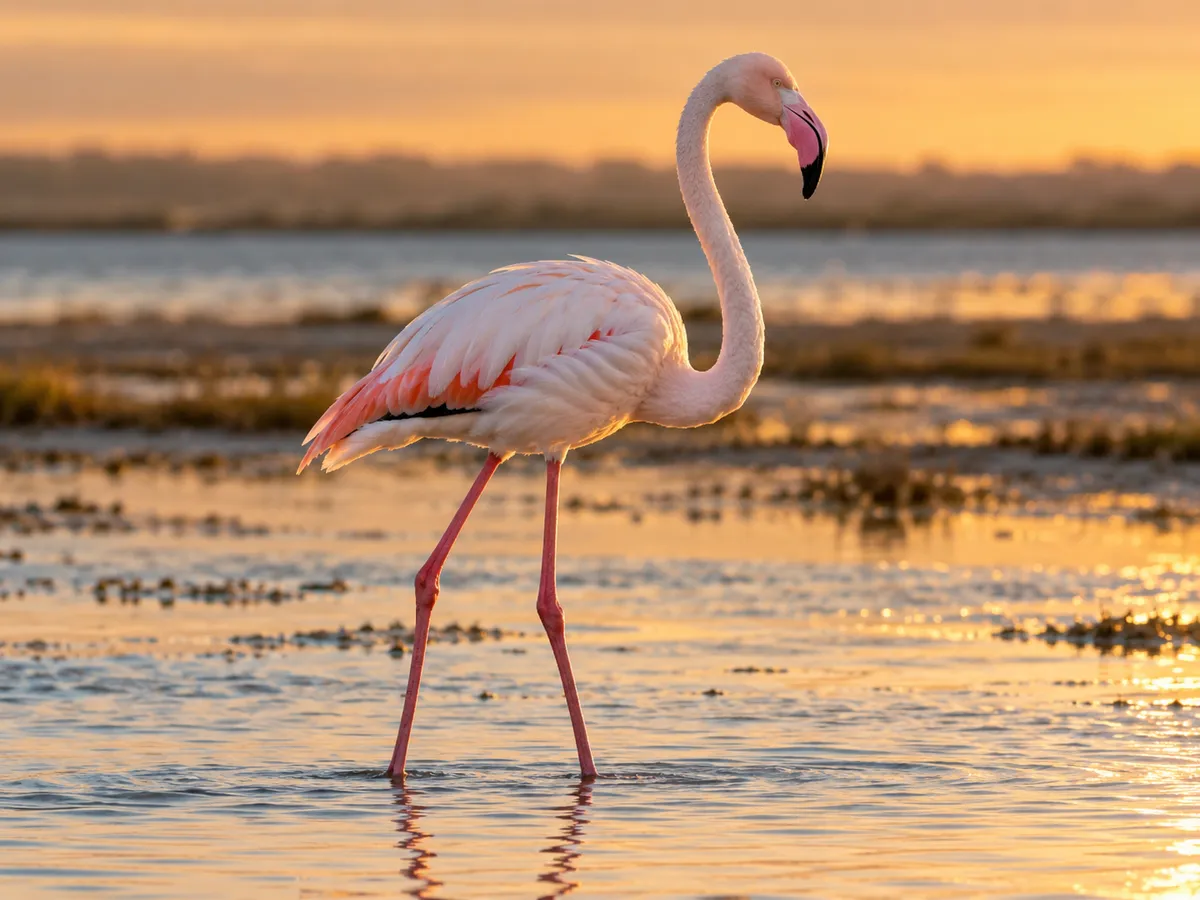 Greater flamingoWith pink feathers, long legs and a bent beak, the greater flamingo is the most striking bird of shallow salt lakes. Türkiye's Lake Tuz is one of the world's important flamingo breeding sites.Explore
Respect for nature, stronger tomorrows
Protecting wildlife is everyone's responsibility.
If you find an injured or young wild animal, don't touch it; inform your local wildlife authority. More knowledge, more awareness.
- Respect natural habitats
- Watch wild animals from afar
- Leave no litter in nature
- Support a sustainable future